
Anda pasti pernah melihat kode batang berbentuk persegi hitam putih pada produk, papan reklame, dan koran. Itu adalah Kode QR.
Faktanya, penggunaan Kode QR sedang meningkat. Menurut Bluebite, tren berikut dilaporkan dari tahun 2018 hingga 2020:
Pertumbuhan 96% dalam Jangkauan Kode QR Lonjakan
94% dalam jumlah interaksi
Pertumbuhan 98% dalam jumlah interaksi per objek aktif
Data ini dengan jelas menunjukkan peningkatan jangkauan Kode QR dan penggunaannya selama bertahun-tahun.
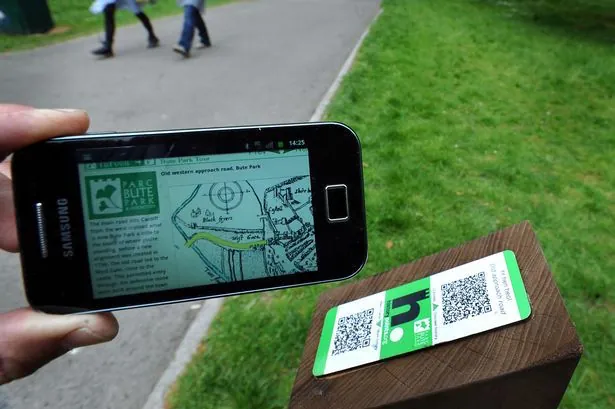
Selain itu, berbagai aplikasi seperti WhatsApp dan Instagram menggunakan Kode QR sebagai fitur untuk menambah teman. Merek seperti Coca-Cola juga menggunakan Kode QR sebagai alat pemasaran untuk menarik pelanggan baru. Selain itu, peritel seperti Walmart menggunakan Kode QR untuk menerima pembayaran. Mengesankan, bukan?
Sulit membayangkan bagaimana alat sederhana seperti Kode QR bisa melakukan begitu banyak hal. Tapi bagaimana mereka muncul?
Kita perlu melakukan perjalanan singkat ke belakang sejarah dan pertama-tama memahami perkembangan Kode Batang.
Barcode – pendahulu Kode QR
Tahunnya 1948. Lokasi: Pennsylvania, AS.
Mahasiswa pascasarjana Bernard Silver tidak sengaja mendengar Dekan dan Presiden sebuah toko lokal.
Diskusi tersebut membahas tentang pembuatan teknologi yang dapat membaca informasi produk saat pembayaran. Hal ini akan mengurangi kesalahan manusia dan meringankan beban pekerja dalam memasukkan data secara manual.
Setelah beberapa pengujian, Bernard dan temannya Norman Joseph Woodland menciptakan Kode Batang pertama.
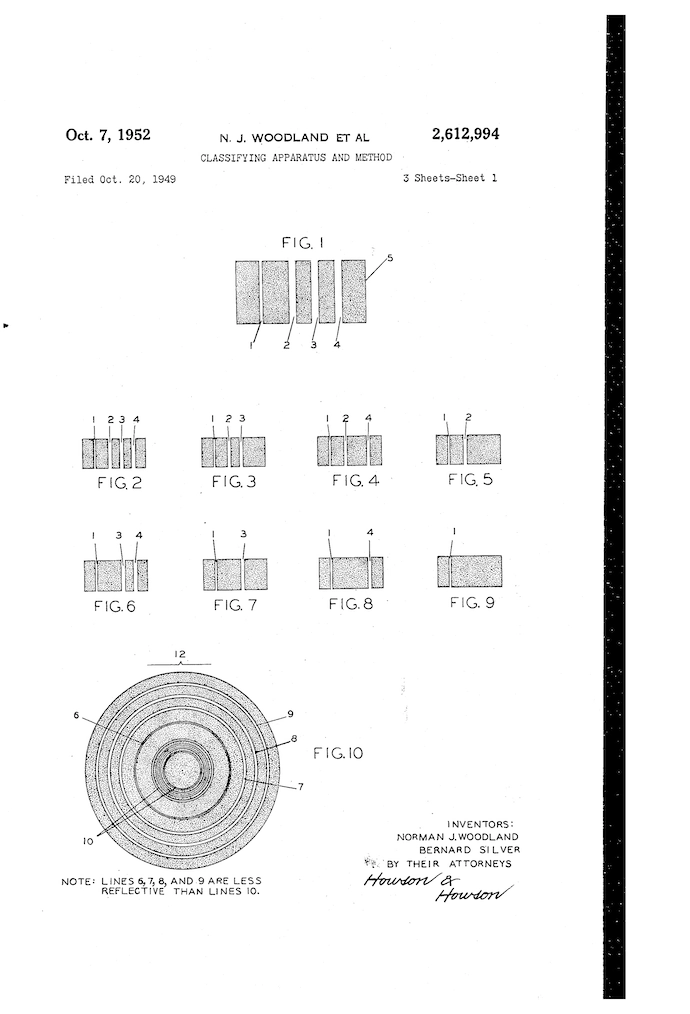
Pada akhir tahun 70-an, Barcode menjadi bagian integral dari manajemen inventaris, terutama di sektor ritel dan manufaktur otomotif.
Pada awal tahun 80-an, Kode Produk Universal (UPC) diluncurkan. UPC adalah Barcode unik yang ditetapkan untuk setiap produk. Hal ini memudahkan pengecer untuk mengelola produk-produk umum.
Penemuan Barcode memang memudahkan hidup. Namun, ada beberapa keterbatasannya.
Keterbatasan Kode Batang
a. Unidirectional : Kode batang bersifat satu dimensi (1D) dan menyimpan data hanya dalam satu arah. Jika pemindai tidak diarahkan ke arah tersebut, kode batang tidak akan terpindai.
b. Kapasitas Penyimpanan : Barcode hanya dapat menyimpan hingga 20 karakter saja
c. Ukuran : Semakin banyak karakter, semakin panjang Barcode. Mencetak barcode yang panjang pada produk kecil merupakan tantangan tersendiri.
d. Rentan : Barcode berhenti berfungsi ketika terkena kotoran atau kerusakan
e. Pengkodean : Kode batang hanya dapat mengkodekan karakter alfanumerik
Barcode 2D – Versi Barcode Lanjutan
To overcome the limitations of Barcodes, development on 2D Barcodes began.
In 1987, David Allais developed the first 2D Barcode. Even this code has its limitations but it was the predecessor to the popular PDF417.
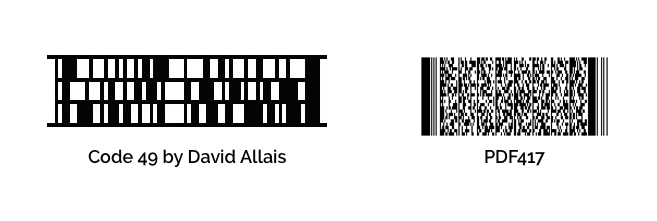
Soon QR Code, Aztec Code, DataMatrix, Nex Code, and many other 2D Barcodes entered the market. Unlike 1D barcodes, these were compact and could store more data.
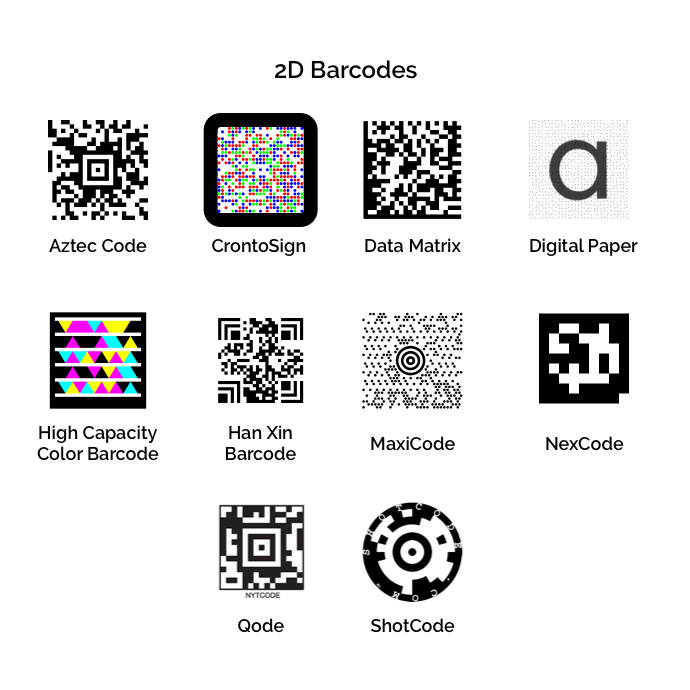
Most 2D Barcodes remain proprietary and thus failed to achieve mass adoption.
QR Codes – The Superhero Barcode
The year 1994.
Toyota was not happy with the Barcodes used in their automobile factories. They wanted more speed and an error-free assembly line. The company assigned its sister concern Denso Wave to come up with a solution.
It was Masahiro Hara from Denso Wave who developed the Quick Response Code or QR Code.

- Denso Wave decided to make the specifications of the code public so anyone was free to use it. The company still holds the patent rights but decided not to exercise them. This move allowed widespread adoption of the technology.
QR Code was first used in automobile, pharmaceutical, and retail industries to track inventory. They are now used for marketing, social media, and security applications as well.
Advantages of QR Codes over Barcodes
a. Storage Capacity
QR Codes can store up to 7,089 numeric characters (without spaces). This translates to 2,953 alphanumeric characters with spaces and punctuation. This amount is more than enough for most use cases.
b. Smaller Size
For the same data encoded, a QR Code takes up less space compared to a Barcode. Hence, QR Codes are especially better when the printing space is a constraint.
c. Orientation
A QR Code is scannable from any angle—360 degrees scannable. With it, end-users don’t need to hold the QR Code or scanner in a pre-defined manner. This is unlike barcodes which can only be scanned in one direction.
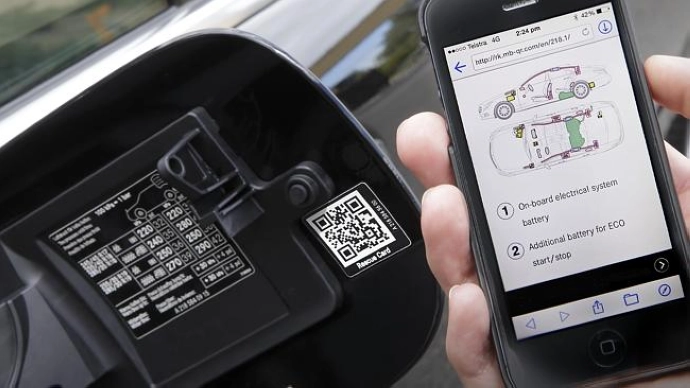
While you know barcodes require dedicated handheld scanners, QR Codes can be scanned with the smartphone in your pocket. Convenient, right?
To do it, you just need to open the camera application on your smartphone. And hold it in front of the QR Code. You’ll receive a notification if it gets scanned.
In case it doesn’t, you can install third-party QR Code scanning apps such as QR Reader, QR and Barcode scanner, QR and Barcode Reader, from the Play Store or App Store
d. Diversity in encoded data
QR Codes can encode numeric, alphanumeric, binary, and even Kanji characters. Hence, you can easily encode Website URLs, documents, multimedia files, or even simple text into them.
e. Error Correction
QR Codes come with a feature called error correction. It ensures that QR Codes remain scannable even after getting damaged, distorted, or dirty by up to 30%
f. Password Protected
You can password protect your QR Code against any unauthorized scan. This feature is exclusive to Dynamic Codes. Admin can set a password while creating a QR Code. When scanned, the end-users will be prompted to enter the required password to be able to access the encoded data.
Related : Best QR Code Generator
Future of Barcoding
Well, the future of barcoding is here. And here are some interesting features that will surely blow your mind:
1. Make end-users take the desired action
QR Codes can help you make the end-users take desired actions such as:
- Driving people to your website
- Showing documents
- Redirecting end-users to a mobile-optimized landing page containing buttons linked to all your social media profiles
- Redirecting the end-users to a particular app in the respective App Store based on the device’s OS
- Helping you share your contact information with an option—Save as Contact
- Offering detailed event information with an option to RSVP
- Helping your audience listen to an audio file
- Giving complete product information
Depending on what actions would you like the end-users to take, you can select the desired QR Code category. And go-ahead to create the QR Code of your choice.
2. Scan Tracking
QR Codes come with a complete package of tracking and analytical abilities. Here’s how:
QR Codes allow you to track their entire scanning activity. That means you can track the scans with respect to the following parameters:
- Date and time
- Location
- Device
- Browser
- Operating system
QR Codes also offer event tracking. It helps you analyze how your end-users interact with the encoded content after they scan the QR Code. It could be a button for sign-up or registration.
3. Custom-Design feature
You can add design to the QR Code without affecting scannability. There are two design options:
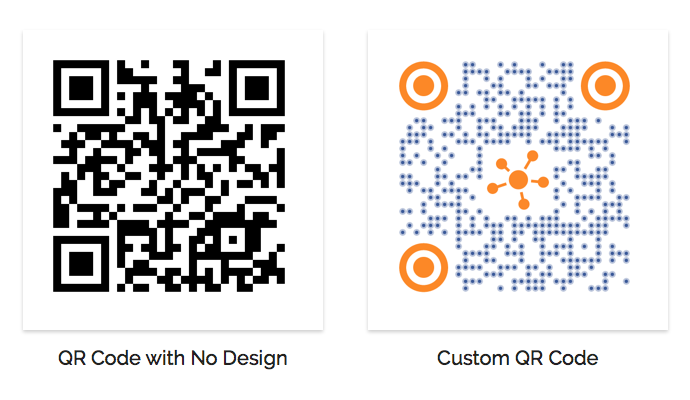
a. Custom logo design
In this option, you can add a logo to your QR Code. You can even change the color and pattern of both the data modules and the eyes. In fact, you can also add an appropriate gradient to the data modules’ color.
b. Custom background design
This option allows you to add an image as QR Code’s background. Here, you can also change the pattern of both the QR Code’s eyes and the data modules.
In case you are interested in how to create custom QR Codes, here is a detailed guide on it.
This custom design allows marketers to add QR Codes to their marketing campaigns.
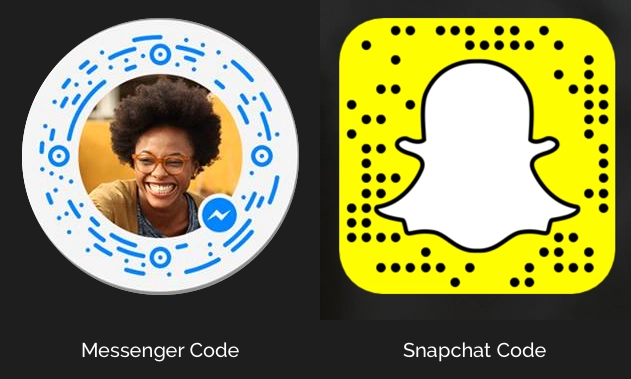
Popular apps like Snapchat, WhatsApp, Instagram, and PayTm have taken this to a new level. They have deviated from the QR Code standard and are using codes customized to their brand.
4. Ease of creation
QR Codes are very simple to create. All that you need is a QR Code generator that offers you the desired QR Code category and features.
QR Code Alternatives
Memanfaatkan popularitas Kode QR, Denso Wave kini telah mengembangkan versi-versi lanjutannya. Tersedia Micro QR Code, iQR Code, SQRC, dan Frame QR.
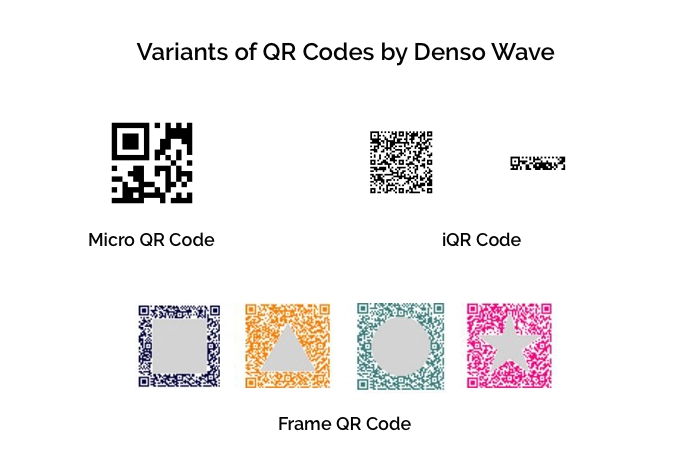
Meskipun teknologinya unggul, namun tidak berada di ranah publik seperti Kode QR.
Beberapa pemasar mengklaim bahwa Augmented Reality dan NFC adalah masa depan pemasaran offline-ke-online. Namun, saya tidak setuju.
Teknologi ini memang lebih unggul daripada Kode QR. Namun, teknologi ini tidak terjangkau dan tidak universal. Misalnya, NFC hanya berfungsi dalam jarak pendek sekitar 10 cm. Selain itu, untuk kampanye AR, pengguna perlu mengunduh aplikasi baru.
Demikian pula, sudut wajah yang berbeda dapat mengganggu keandalan pengenalan gambar.
Intinya, teknologi telah maju tetapi Kode QR masih bertahan sejak 1994.
Itu saja. Itu saja yang perlu Anda ketahui tentang sejarah Kode QR.
.svg)


Terima kasih, postingan yang bagus
Terima kasih atas artikel pengantar yang mudah ini
Kami senang Anda menganggap artikel ini bermanfaat.